Glorious trouble since AD 60

History remembers the women who refused to behave.

Rebels, scientists, pirates, pioneers and professional administrative problems, and the sources to prove it.

20
women and counting
20
centuries of trouble
88
myths checked
199
sources to follow

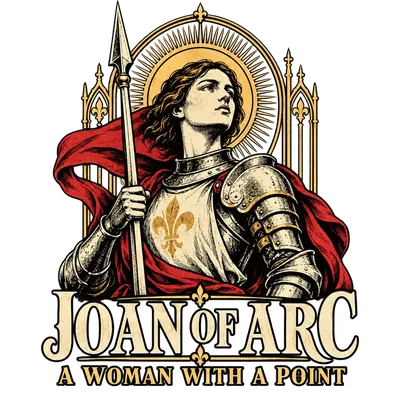
Joan of Arc — A woman with a point

One line on the shirt The full story on the card A little of her spirit, every day

Still growing

The collection

Every one of them made a system uncomfortable. Pick a portrait to read the evidence behind the line.

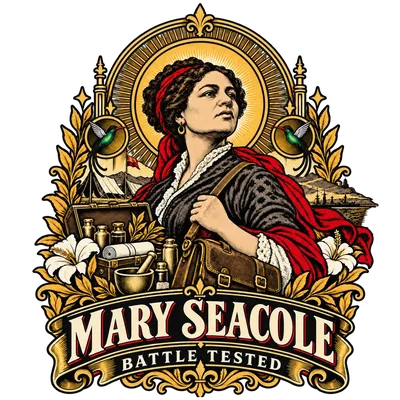
№ 004 1805–1881 Mary Seacole Battle tested Read her story
Mary Seacole1805–1881Battle tested

At a Fourth of July dinner in Panama, about twenty Americans drank to Mary Seacole for her work in a cholera outbreak, and their speaker added that they would bleach her if they could. She thanked them for drinking her health and declined the bleaching “without any thanks”. Then she drank to “the general reformation of American manners”.
Read her story
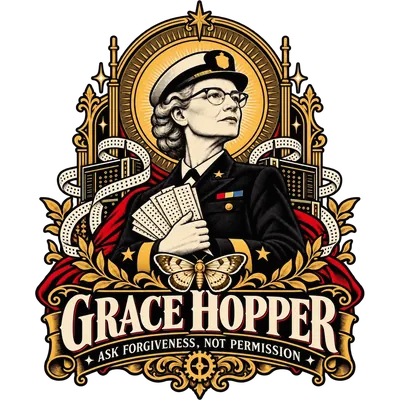
№ 005 1906–1992 Rear Admiral Grace Hopper Ask forgiveness, not permission Read her story
Rear Admiral Grace Hopper1906–1992Ask forgiveness, not permission

At the end of 1966 the Navy retired Grace Hopper for being too old. She called it the saddest day of her life. Seven months later the Pentagon phoned and asked her back. She stayed nineteen years, and when she finally left in 1986, aged seventy-nine, she was the oldest serving commissioned officer in the U.S. Navy.

Read her story
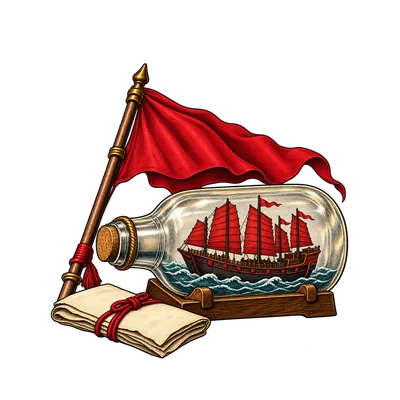
№ 006 c. 1775–1844 Zheng Yi Sao Queen of pirates Read her story
Zheng Yi Saoc. 1775–1844Queen of pirates

In 1810, with the surrender talks stalled, Zheng Yi Sao offered to go to Canton herself and settle terms with the governor-general. Her crews feared she would be killed. She went anyway, with a party of pirates’ wives and children, came away with a deal, and lived another thirty-four years.

Read her story
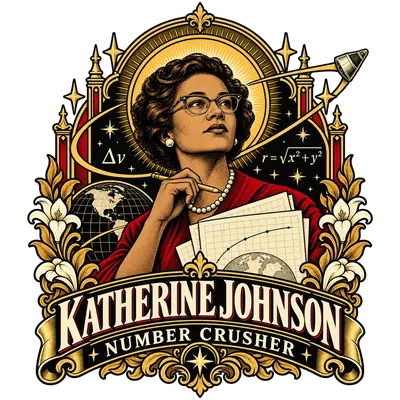
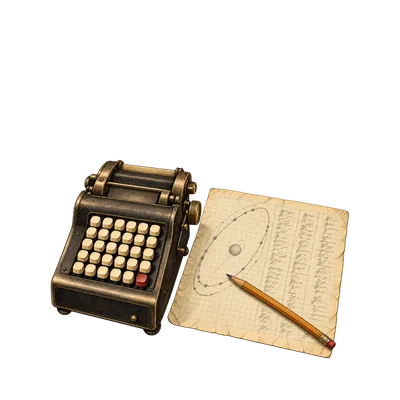
№ 007 1918–2020 Katherine Johnson Number crusher Read her story
Katherine Johnson1918–2020Number crusher

In 1960, Katherine Johnson and engineer Ted Skopinski published the maths for sending an orbiting spacecraft over a chosen point on Earth, the point where its journey home would begin. No woman in her division had ever been credited as an author of a research report. On the cover of this one, after his name, it says “and Katherine G. Johnson.”

Read her story
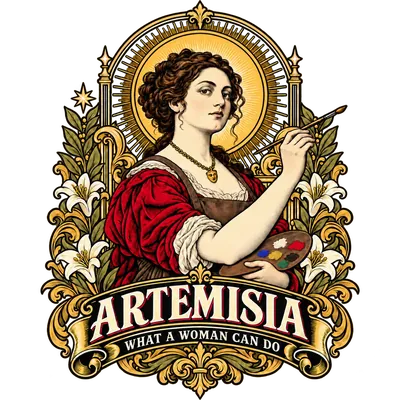
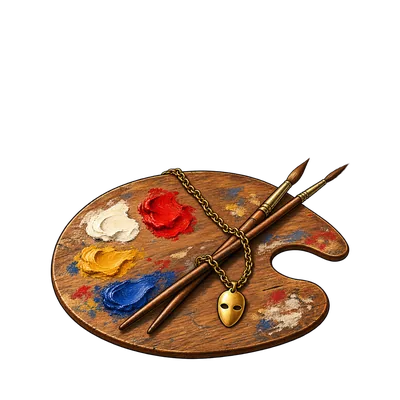
№ 009 1593–1654 or later Artemisia Gentileschi What a woman can do Read her story
Artemisia Gentileschi1593–1654 or laterWhat a woman can do

On the last day of 1625, a French artist in Rome drew a portrait of Artemisia’s hand, holding a fine brush. Across the top he wrote whose it was, ‘the excellent and skilful Artemisia’. On the back he wrote that it was a thousand times worthier than the hands of the dawn goddess, because it could make marvels.

Read her story
№ 012 1864–1922 Nellie Bly Committed to the story Read her story
Nellie Bly1864–1922Committed to the story

Told she could not go around the world because a woman would need a protector and too much luggage, Nellie Bly said: “Start the man, and I’ll start the same day for some other newspaper and beat him.” A year later they sent her, with two days’ notice. She took one bag, and came home in seventy-two days.

Read her story
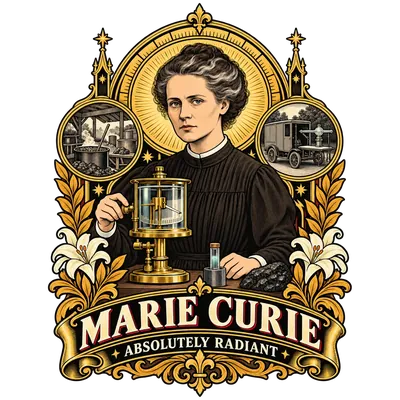
№ 014 1867–1934 Marie Curie Absolutely radiant Read her story
Marie Curie1867–1934Absolutely radiant

Marie and Pierre Curie refused to patent their radium process, so that others could use it. Radium grew so expensive that her laboratory had barely a gram. A patent could have funded her institute, friends said, “not without reason”, she admitted. In 1921 American women bought her another, and the world’s most famous scientist crossed the Atlantic to collect it.

Read her story
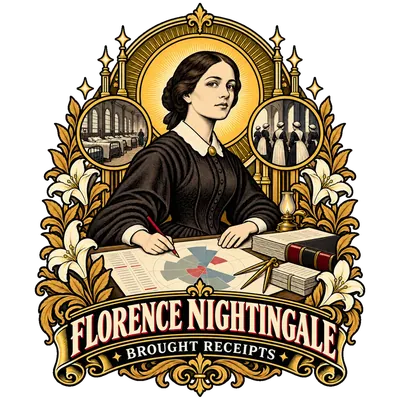
№ 015 1820–1910 Florence Nightingale Brought receipts Read her story
Florence Nightingale1820–1910Brought receipts

Florence Nightingale’s most important report on the Crimean War ran to 853 pages and was never published. She had it printed privately in 1858 for ministers, officials and a few influential friends. Her famous diagrams take up only a few of those pages. They were there so that ministers who might not read the rest could not miss the point.

Read her story
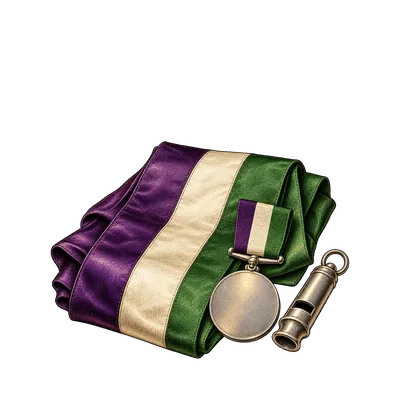
№ 016 1858–1928 Emmeline Pankhurst Deeds, not words Read her story
Emmeline Pankhurst1858–1928Deeds, not words

In 1910 and again in 1912 Stanley Baldwin, then an MP, voted against a women’s suffrage bill. Emmeline Pankhurst went to prison and on hunger strike. By 1928 Baldwin was Prime Minister, and his government gave women the vote on the same terms as men, eighteen days after she died. In 1930 he unveiled her statue.

Read her story
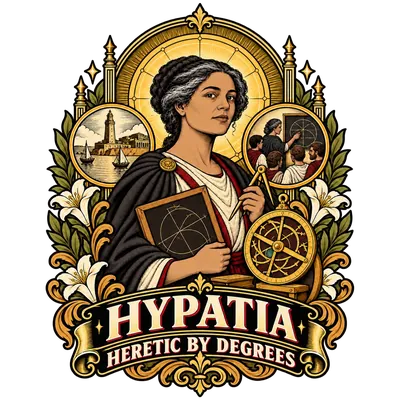
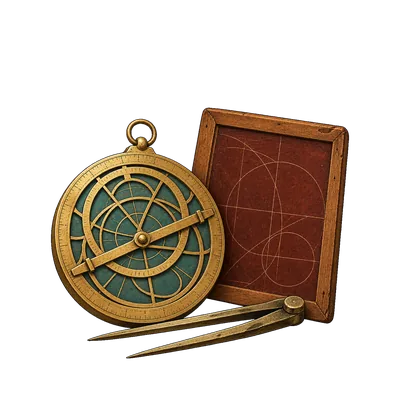
№ 018 c. 355–415 Hypatia Heretic by degrees Read her story
Hypatiac. 355–415Heretic by degrees

Hypatia’s father, the mathematician Theon, wrote a commentary on Ptolemy’s Almagest, and a heading in it says that one book was revised or checked by “the philosopher, my daughter Hypatia”. Scholars still argue over how much she did. None of her own books survives intact. The heading does.

Read her story
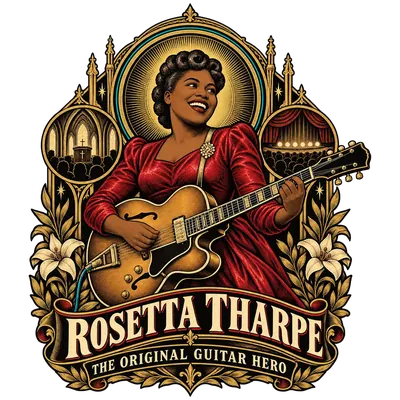
№ 019 1915–1973 Sister Rosetta Tharpe The original guitar hero Read her story
Sister Rosetta Tharpe1915–1973The original guitar hero

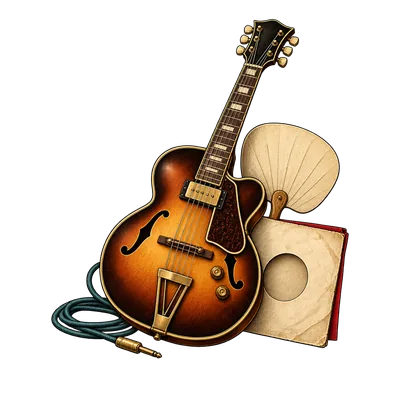
In 1964 Granada Television staged a gospel and blues show at a disused railway station in south Manchester. Sister Rosetta Tharpe arrived by horse-drawn carriage, strapped on a white electric guitar and played “Didn’t It Rain” to an audience across the tracks. The whole scene was staged. The rain was real.

Read her story
№ 020 1892–1926 Bessie Coleman The sky was not the limit Read her story
Bessie Coleman1892–1926The sky was not the limit

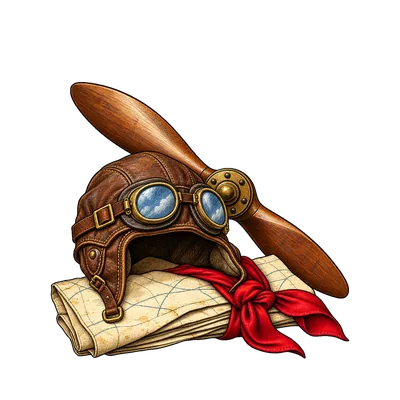
In Chicago, Bessie Coleman’s brother John teased her that French women flew aeroplanes while she could not. American instructors refused to teach her. So she learned French, and in November 1920 she sailed for Europe. On 15 June 1921 she became the first African American woman to hold an international pilot’s licence.

Read her story

The useful kind of difficult

Icons with footnotes.

A Difficult Woman refused the role assigned to her, challenged political or scientific power, built something where she wasn’t welcome, or became an administrative problem for the people in charge.

The portrait makes her an icon and the line on the shirt gets the laugh. The history card gives her room to be complicated, including the places where the legend and the record disagree.

Sources, not vibes. Every story lists its sources, so you can follow them yourself.

Made with AI, checked against the record. Each portrait is made with AI image tools from our own research and art direction, then checked against the history. Where a portrait plays with a legend, her story says so.

The woman is never the punchline. The joke is aimed at the system that underestimated her.

More than a T-shirt

A small museum shop in the post.

Nothing is on sale yet.

  1. 01

    Original portrait

    Every detail is researched, from the clothes she wore to what she holds, so she looks as formidable as she was.

  2. 02

    Numbered history card

    Her most extraordinary moment on the front, her story on the back: a daily nudge towards your own small acts of heroism.

  3. 03

    Matching sticker

    Stick her where you need her most: the laptop you open on hard days, the notebook full of big plans.

Who are we missing?

Know a woman who belongs here?

Tell us about her. We read every nomination, and research each woman properly before her story joins the collection.

Nominate a woman